Alar base reduction, also known as nostril reduction, is a surgical procedure aimed at altering the size and shape of the nostrils or the base of the nose. This procedure is typically sought by individuals who feel that their nostrils are too wide, flared, or disproportionate to the rest of their facial features. It can also be performed for functional reasons, such as improving breathing in cases where the nostrils are too narrow or collapsed.
The surgery involves removing a small amount of tissue from the alar base—the part of the nose that surrounds the nostrils—to create a more refined and balanced appearance. The extent of the reduction varies depending on the patient's unique anatomy and desired outcome. The goal is to achieve a natural look that harmonizes with the rest of the face without drawing undue attention to the nose.
Alar base reduction, also known as nostril reduction, is a surgical procedure aimed at altering the size and shape of the nostrils or the base of the nose.
Alar base reduction is typically performed under local anesthesia and often takes one to two hours to complete. Swelling and bruising are common after the procedure, but these effects usually subside within a few weeks. Despite being a relatively minor procedure, it requires a skilled and experienced plastic surgeon to ensure precise results that enhance the overall aesthetic of the face.
Alar base reduction, or nostril reduction surgery, is often chosen by individuals who are dissatisfied with the size, shape, or flare of their nostrils. This cosmetic procedure is commonly sought by people who feel their nostrils are too wide or large in proportion to the rest of their nose and facial features. It is frequently performed as part of rhinoplasty (nose reshaping surgery), but it can also be done as a standalone procedure.
People often choose alar base reduction to create more symmetry in their facial appearance or to achieve a more refined, balanced look. This surgery is especially beneficial for those who have wide nostrils that flare outwards, which can sometimes dominate the appearance of the face. By reducing the width of the nostrils and the base of the nose, the surgery can enhance facial harmony and boost confidence. Many patients opt for this procedure because it delivers noticeable yet subtle improvements without drastically altering their overall look, making it ideal for those seeking a more proportionate nose without the need for extensive surgery.
Alar base reduction, or nostril reduction surgery, is often chosen by individuals who are dissatisfied with the size, shape, or flare of their nostrils.
Good candidates for alar base reduction are individuals who:
Have wide, flared, or asymmetrical nostrils
Feel that their nostrils are disproportionately large compared to the rest of their nose or face
Are looking to enhance the symmetry and balance of their facial features
Have realistic expectations about what the surgery can achieve
Are in good general health and do not smoke, or are willing to stop smoking during recovery
May have undergone previous rhinoplasty and want further refinement to the nostril shape
This procedure is commonly chosen by people of various ethnic backgrounds as part of ethnic rhinoplasty, where nostril size and shape may differ naturally from typical Western aesthetic norms. Alar base reduction allows for personalized adjustments that preserve ethnic identity while enhancing harmony and proportion.
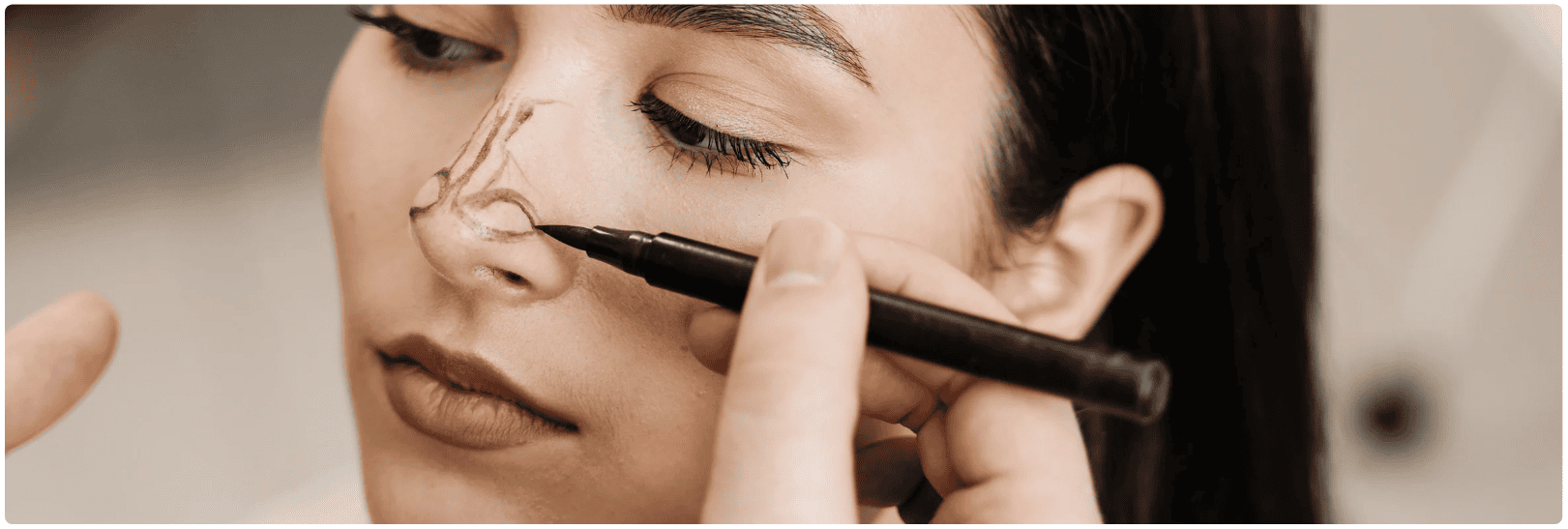
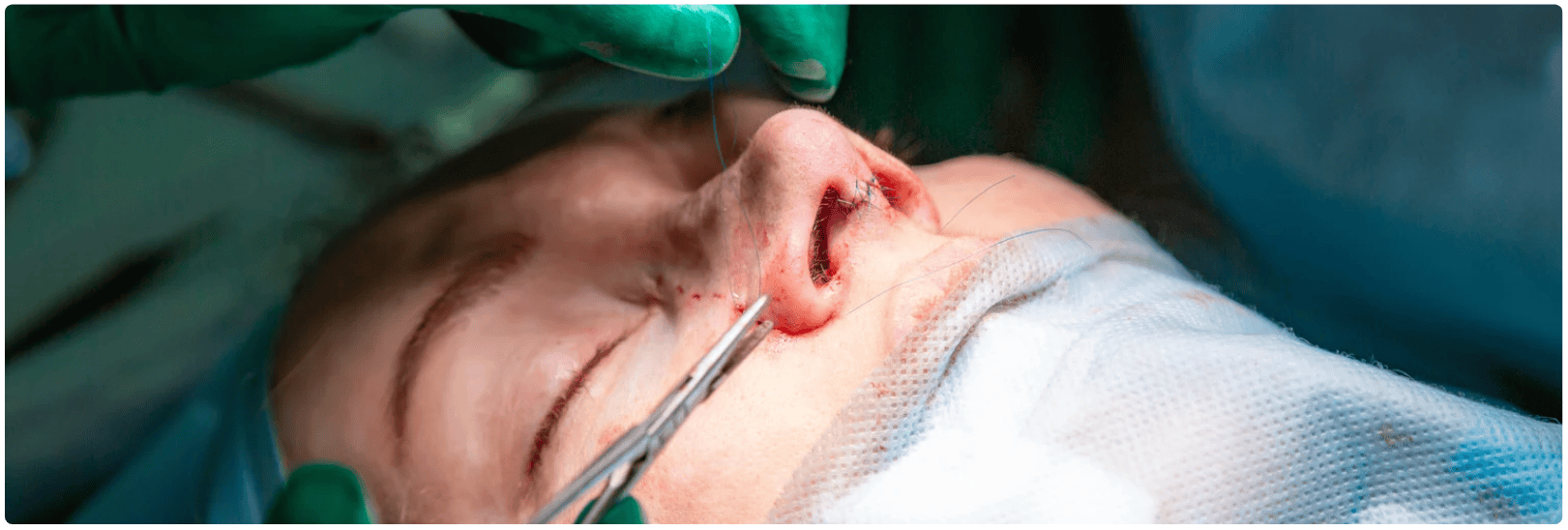
Alar base reduction surgery is a relatively simple procedure that involves making small incisions at the base of the nostrils where they meet the cheek. The surgeon carefully removes a wedge of tissue to narrow the width of the nostrils and reduce any outward flare. Depending on the patient’s anatomy and goals, different techniques may be used to achieve the desired results. For instance, if the nostrils are wide and flared, the surgeon may focus on reducing the outer edges of the nostrils. If the base of the nose is also wide, the surgeon might reduce the width by bringing the nostrils closer together. The incisions are typically placed in natural creases, making them virtually invisible once healed.
Alar base reduction surgery is a relatively simple procedure that involves making small incisions at the base of the nostrils where they meet the cheek.
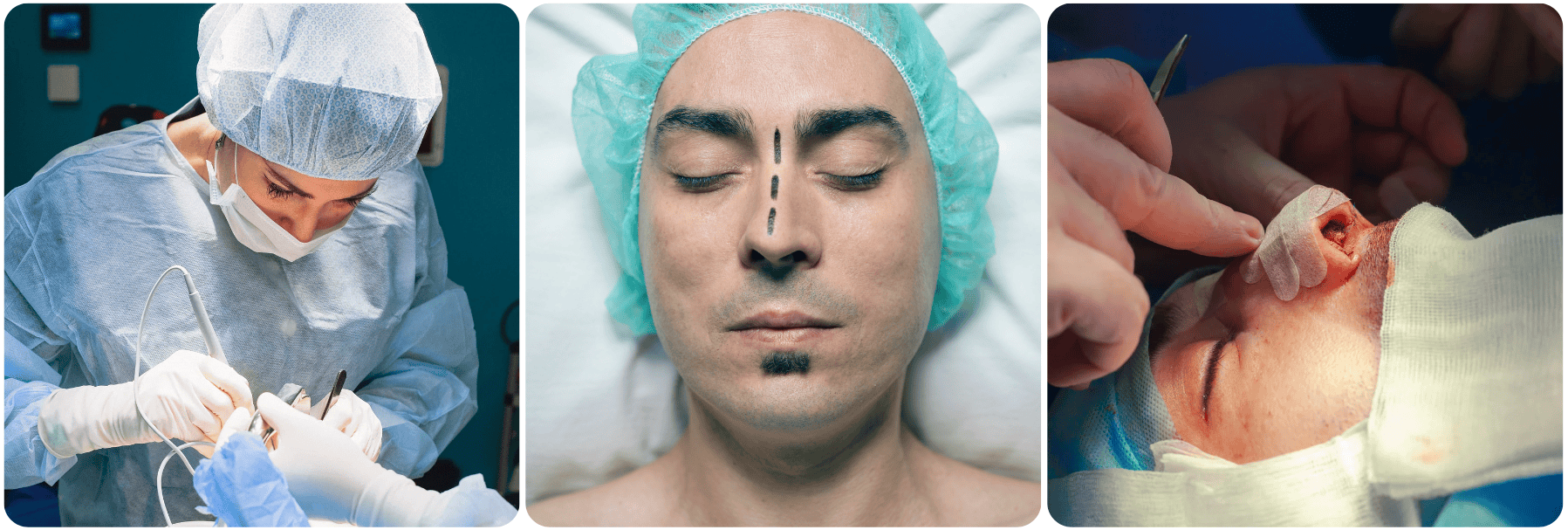
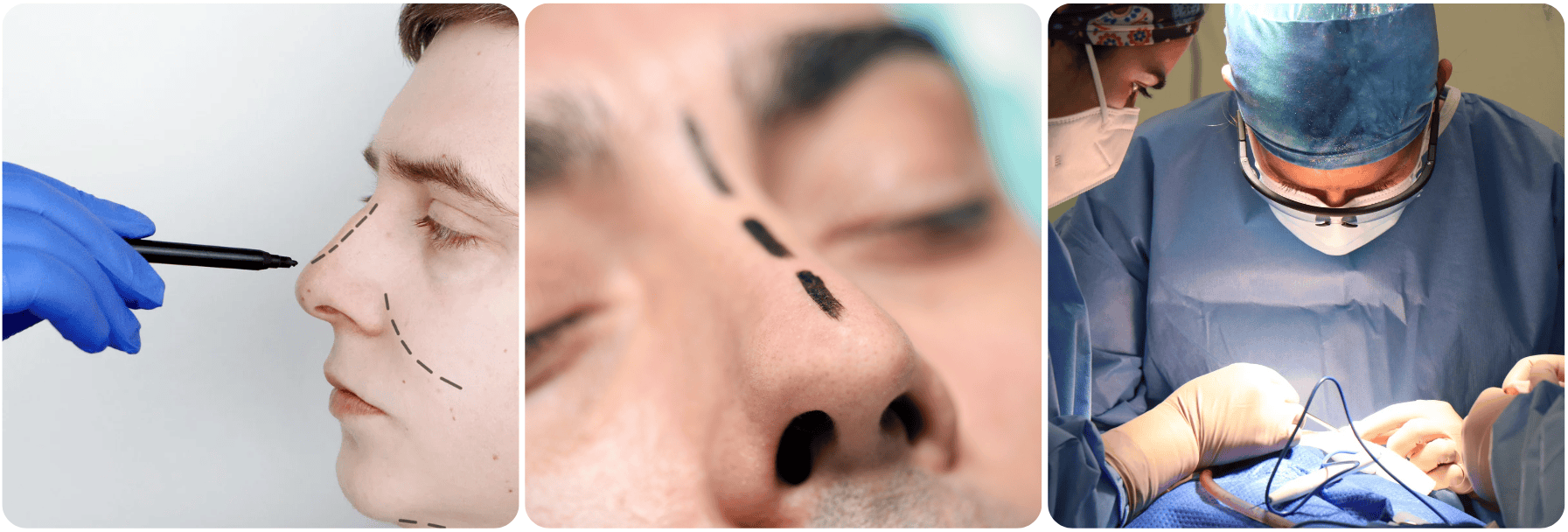
The procedure can be performed under local anesthesia with sedation, or general anesthesia, depending on the patient's preference and the complexity of the surgery. Alar base reduction generally takes about one to two hours, and because it is minimally invasive, most patients experience only mild discomfort and swelling, with a relatively quick recovery time. Stitches are usually removed after about a week, and patients can expect to see the final results within a few months once the swelling fully subsides.
Alar base reduction can be performed using a few different surgical techniques, each tailored to the patient's nasal anatomy and aesthetic goals. The most commonly used methods include:
Weir excision: This is the most widely used technique for nostril reduction. It involves removing small, wedge-shaped portions of tissue from the base of the nostrils, typically where they meet the cheek. This helps narrow the width of the nostrils and reduce any excessive flare. The incisions are discreetly placed within the natural creases, making scarring minimal and often invisible after healing.
Alar wedge excision: In this technique, tissue is removed from the outer portion of the nostril base, which is ideal for patients with excessive lateral flare. This method helps decrease the overall footprint of the nose without affecting internal nasal structures.
Sill excision: This method targets the nasal sill—the area between the nostril and the upper lip—by removing tissue from the floor of the nostril. It is often used when the base of the nose is overly wide, and it can be performed alone or in combination with other techniques for more precise refinement.
The choice of technique depends on the width and shape of the nostrils, the degree of flare, and how much tissue needs to be removed. An experienced surgeon will assess these factors during the consultation to determine the most suitable approach for each individual.
Alar base reduction surgery offers numerous aesthetic benefits, particularly for individuals seeking to refine the shape and proportion of their nose. One of the primary advantages is that it creates a more balanced and harmonious appearance by reducing the width of the nostrils, which can dramatically improve facial symmetry. For those with wide or flared nostrils, the procedure brings the base of the nose into better proportion with the rest of the face, resulting in a more refined and subtle look. Because the incisions are small and carefully placed in natural folds, scarring is minimal and usually not noticeable, making the surgery an attractive option for individuals who want to enhance their appearance without undergoing major surgery.
Additionally, alar base reduction is a quick and effective procedure with a short recovery period, allowing patients to return to their normal activities relatively quickly. This makes it particularly appealing for those seeking an aesthetic improvement without a long downtime. Beyond the physical changes, the procedure can also have a profound impact on a person's self-confidence and self-esteem, as it addresses concerns that may have caused them to feel self-conscious about their appearance. Unlike more extensive facial surgeries, alar base reduction offers targeted improvements that enhance the overall look of the face while maintaining a natural appearance, which is why many patients find the results to be highly satisfying.
The results of alar base reduction are permanent, provided there are no complications and the healing process goes smoothly. Once the excess tissue is removed and the incisions heal, the new shape and size of the nostrils remain stable over time. However, some subtle changes may occur during the healing process, particularly in the first few months as swelling subsides and tissues settle into their final position.
Because the incisions are placed in natural folds and creases around the nostrils, any scarring is generally minimal and well-concealed. With proper aftercare and guidance from a qualified surgeon, most patients achieve a refined, natural-looking outcome that enhances their facial proportions and boosts their self-confidence.
Like any surgical procedure, alar base reduction carries certain risks, though they are generally low when performed by an experienced surgeon. Some potential risks include:
Infection: As with any surgery, there's a small risk of infection. Proper aftercare, including keeping the area clean and following the surgeon's instructions, can help minimize this risk.
Scarring: While incisions are usually placed in natural creases to minimize visible scarring, there is still a possibility of scars being more noticeable than expected.
Asymmetry: In some cases, the nostrils may heal unevenly, leading to slight asymmetry. A follow-up appointment with the surgeon will help address any concerns.
Excessive swelling: While swelling is normal after surgery, excessive swelling that does not subside may indicate complications.
Nasal function issues: Though rare, there is a possibility of temporary or permanent issues with nasal breathing, especially if the surgery affects the internal structures of the nose.
The best way to reduce the likelihood of complications is by selecting a skilled and experienced surgeon who specializes in alar base reduction procedures and adhering to all post-operative instructions.
The cost of alar base reduction can vary widely depending on several factors, including the surgeon’s experience, the location of the clinic, and whether the procedure is performed as part of a rhinoplasty or as a standalone treatment. On average, the price for nostril reduction surgery ranges from $2,000 to $5,000.
Keep in mind that additional costs, such as anesthesia, facility fees, and post-surgery medications, may be added to the overall price. Insurance usually does not cover the cost of this procedure, as it is typically considered cosmetic. However, some clinics may offer payment plans or financing options to help make the surgery more affordable.
Before undergoing any procedure, it's important to get a detailed breakdown of the costs involved, and to discuss financing options if needed. The cost should always be weighed against the potential benefits of improved appearance and enhanced self-confidence.
Several factors can influence the overall cost of alar base reduction surgery, including:
Surgeon’s experience and reputation: Surgeons with more experience and a higher level of expertise may charge higher fees for their services.
Location of the clinic: Costs can vary significantly based on the clinic's location. Clinics in larger cities or more affluent areas tend to charge more for their services.
Type of anesthesia used: Whether the surgery is performed under local anesthesia with sedation or general anesthesia can affect the overall cost.
Additional procedures: If alar base reduction is performed in conjunction with other cosmetic procedures, such as rhinoplasty, the total cost will be higher.
Post-surgery care: Follow-up visits and any medications required after surgery may add to the overall cost.
It’s important to prioritize the skill and experience of the surgeon over the cost of the procedure to ensure the best possible results and minimize the risk of complications.
For those who are considering alternatives to alar base reduction, there are a few options that can help refine the appearance of the nostrils and the base of the nose. Some alternatives include:
Non-surgical nostril reduction: This option involves injectable treatments like dermal fillers to alter the shape of the nostrils temporarily. Though not a permanent solution, fillers can help reduce the appearance of wide or flared nostrils.
Nose reshaping (rhinoplasty): For individuals seeking a more comprehensive solution, rhinoplasty can address various aspects of the nose, including the size and shape of the nostrils. Rhinoplasty may include alar base reduction as part of the overall procedure.
Laser treatments: In some cases, laser treatments can help improve the appearance of the nostrils by tightening skin or reducing the flare of the nostrils without surgery.
While these alternatives can provide some improvements, they may not be as effective or long-lasting as alar base reduction surgery. For those seeking permanent, noticeable changes, surgical nostril reduction remains the most reliable option.
Alar base reduction can greatly enhance facial harmony by reducing the prominence of wide or flared nostrils, which can often distract from the rest of the face. The procedure works to bring the base of the nose into better proportion with the rest of the facial features, creating a more balanced and aesthetically pleasing appearance.
For individuals who feel that their nostrils dominate their facial features, alar base reduction offers a subtle yet transformative change. By narrowing the nostrils, the procedure helps the nose blend more naturally with the other features, such as the eyes and mouth. This results in a more proportionate look, improving the overall symmetry of the face without the need for major surgery. Many people opt for this procedure because it delivers noticeable yet understated improvements, contributing to a more harmonious and confident appearance.
Alar base reduction can greatly enhance facial harmony by reducing the prominence of wide or flared nostrils, which can often distract from the rest of the face.
After undergoing alar base reduction, patients can expect a recovery period that is relatively quick, with most people returning to their normal activities within 7 to 10 days. Initially, the nose may feel tender, and some swelling and bruising around the nostrils are common, though these effects usually subside after a few weeks. It's important to follow the surgeon's post-operative care instructions to ensure optimal healing.
During the first few days, patients should rest with their head elevated to help reduce swelling. Cold compresses can be applied to the affected area to minimize swelling, and it's important to avoid any strenuous physical activity for at least a few weeks. In addition, while stitches are often dissolvable, some may require removal after about a week. Patients will likely be given guidance on how to clean the surgical site to prevent infection. Although the majority of the swelling will subside within a few weeks, the final results may not be fully visible until several months after the surgery, once the tissues have fully healed and settled into place.
During your consultation, you will discuss your wishes, medical history, and expectations with the doctor. The doctor will examine you, take measurements if necessary, and explain which treatment suits you best, including risks and recovery. You will have the opportunity to ask questions and then receive a clear treatment proposal.
Make sure you have all relevant medical information ready, such as previous treatments, allergies, or medical conditions. This allows the doctor to give you better advice.
Payment is made securely via SurgeryBooking. You pay the amount in advance to SurgeryBooking. We hold the funds and transfer them to the clinic after your treatment. Cancellation or change conditions vary per clinic and are clearly communicated in advance.
During the consultation (online or at the clinic), the doctor will assess this based on your health, expectations, and physical characteristics. You will discuss what you want, what is possible, and what the limitations are. Sometimes there are alternatives if the chosen treatment is not ideal.
Through SurgeryBooking.com, you can quickly and easily book a consultation or procedure with doctors and clinics worldwide. SurgeryBooking.com provides an overview of doctors and clinics, allowing you to make an informed and transparent choice when booking a consultation or procedure.
You can easily book through the profile of the desired clinic or doctor. Select the desired treatment, enter your details, and choose an available date and time. If there are any costs involved, you will complete the payment first. Afterwards, you will receive a confirmation email with all the details.
Yes, during the booking process, you can indicate whether you prefer an online consultation or an in-person consultation at the clinic.
With SurgeryBooking.com, you gain access to a global network of doctors and clinics. Through SurgeryBooking.com, you can easily book a consultation or a cosmetic procedure directly. Clinic profiles provide information about available cosmetic procedures, reviews, photos of the clinic, and other relevant details. This enables you to compare costs and make an informed decision when booking a consultation or procedure.