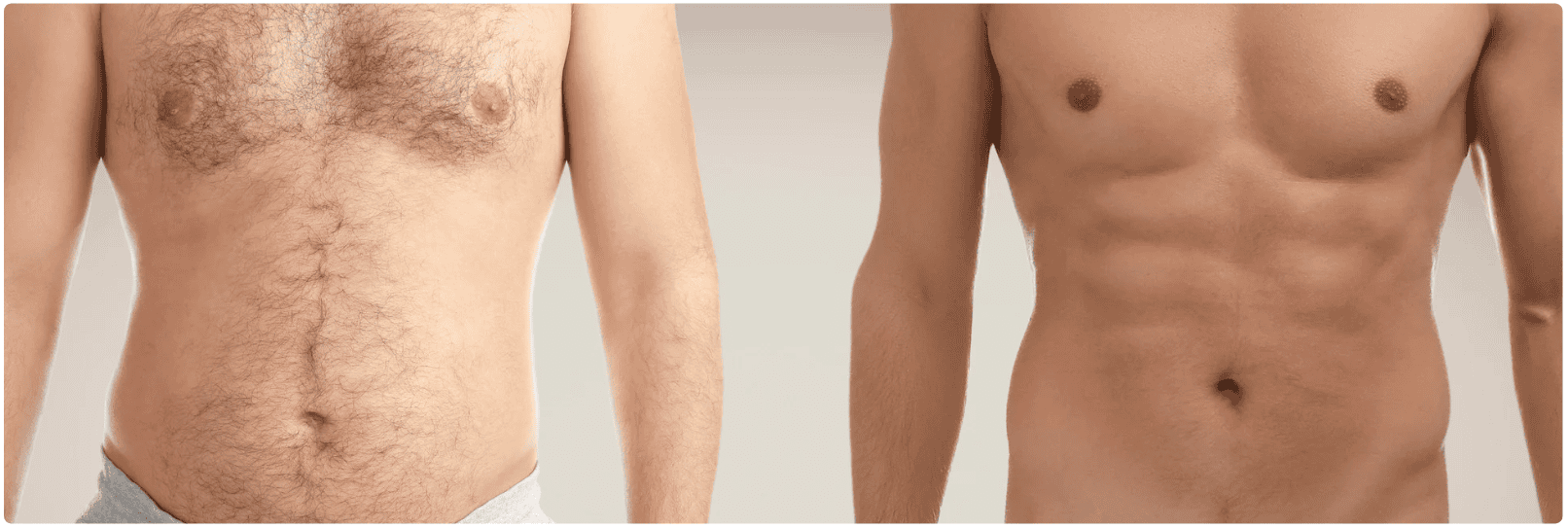
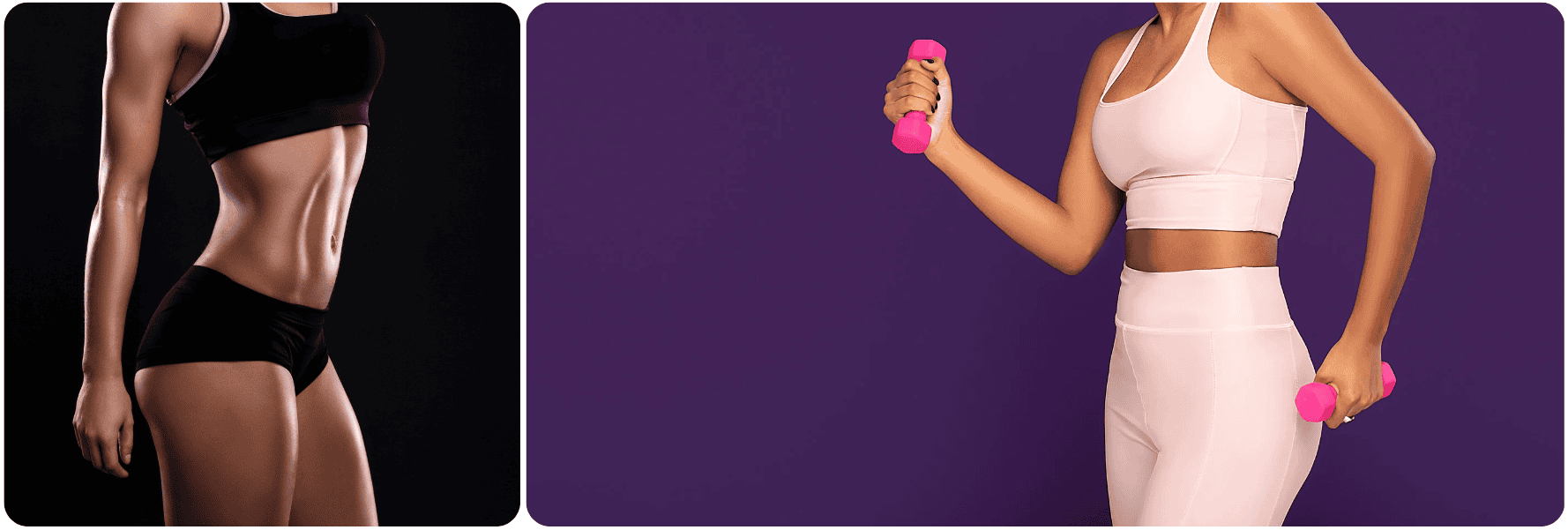
Abdominal etching is a cosmetic procedure designed to create a more defined appearance of the abdominal muscles by selectively removing fat and enhancing the contours of the muscles. The goal of the procedure is to create the look of a "six-pack" or a more toned abdomen for individuals who are already relatively fit but struggle to make their abdominal muscles visible through diet and exercise alone. During the procedure, fat is suctioned out from specific areas around the abdominal muscles, making their natural shape more prominent.
The procedure is typically performed under local or general anesthesia, depending on the patient’s preferences and the extent of the surgery. It differs from traditional liposuction in that it requires greater precision to accentuate the muscle contours rather than simply removing excess fat. This technique can be applied to both men and women who seek a more defined appearance of their abdominal muscles.
Abdominal etching is a cosmetic procedure designed to create a more defined appearance of the abdominal muscles by selectively removing fat and enhancing the contours of the muscles.
Abdominal etching is not a weight loss method and is most suitable for individuals who are already at a healthy weight but cannot fully shed the fat around their abdomen. After the procedure, swelling and bruising may occur, but most patients can return to their normal activities within a few weeks. The final results typically become visible as the swelling subsides and the body heals, which may take several months. The outcome is a more sculpted, muscular-looking abdomen, giving the appearance of intense physical training.
Abdominal etching is a specialized cosmetic procedure designed to enhance the appearance of the abdominal muscles, creating a more defined, sculpted look. Often referred to as "six-pack liposuction," this technique involves the precise removal of fat from specific areas of the abdominal region to accentuate the underlying muscle structure.
Unlike traditional liposuction, which removes fat evenly across the entire area, abdominal etching selectively targets fat along the lines of the abdominal muscles, helping to create the appearance of defined muscle contours. This procedure is ideal for individuals who have a relatively low body fat percentage but want to enhance the visibility of their abs or achieve a more toned, athletic look.
Abdominal etching can be particularly effective for people who struggle to achieve this definition through exercise alone, and it is commonly used by those who are already in good shape but want to achieve a more sculpted, muscular belly.
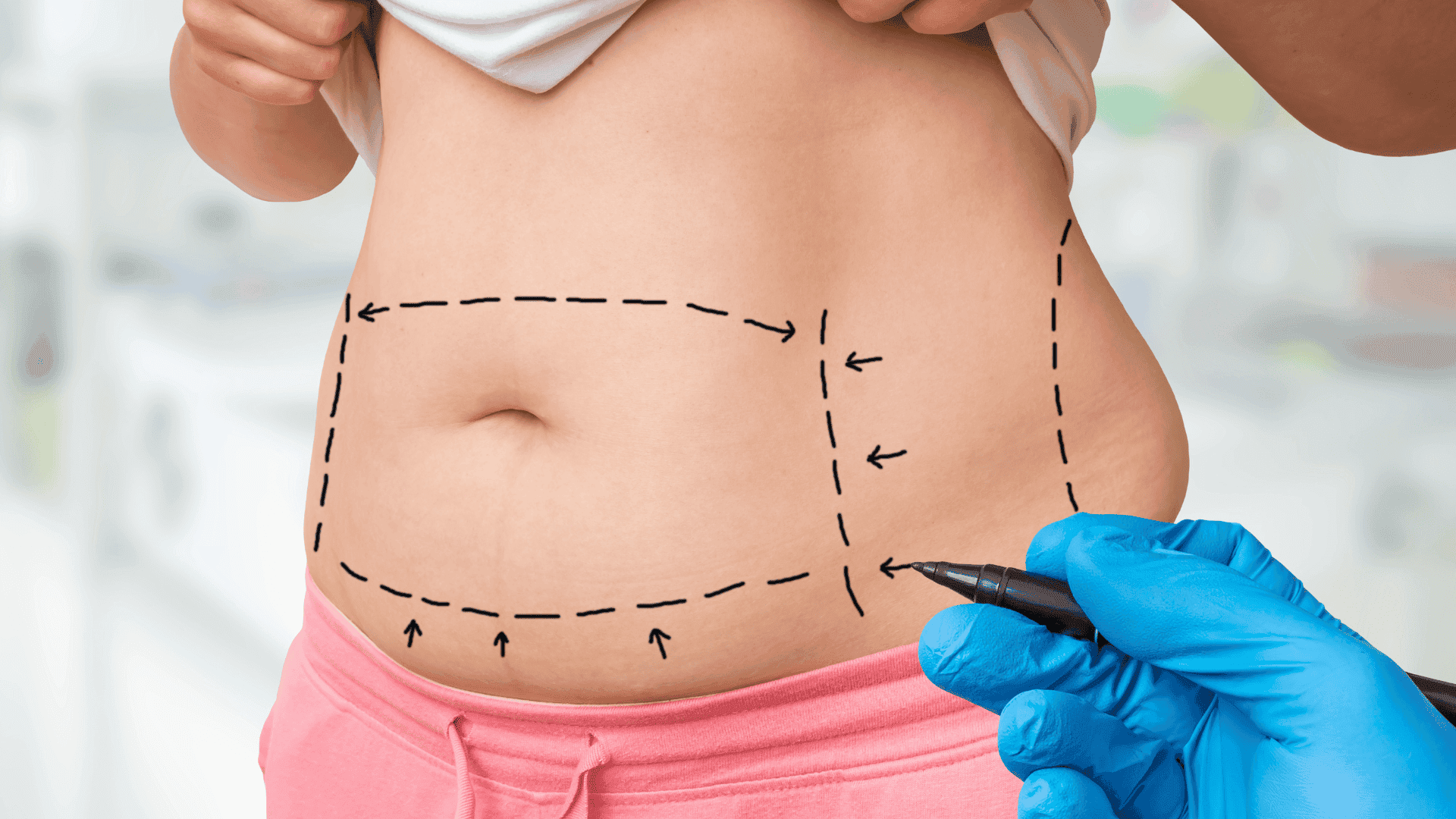
Abdominal etching for the belly is performed under local anesthesia or light sedation to ensure the patient is comfortable during the procedure. The surgeon begins by marking the areas of the abdomen where fat needs to be removed, focusing on the natural contours of the abdominal muscles.
Using a specialized liposuction technique, the surgeon carefully removes small amounts of fat from the areas around the muscles, leaving a thin layer of fat over the muscle groups to create the appearance of defined "etched" lines. The procedure is highly precise, and the surgeon must work carefully to avoid over-removing fat, which could lead to an unnatural appearance.
Abdominal etching for the belly is performed under local anesthesia or light sedation to ensure the patient is comfortable during the procedure.
The incisions made during abdominal etching are small, often placed in discreet areas to minimize visible scarring. The procedure typically takes about 1-2 hours, depending on the extent of fat removal and the desired outcome. After the surgery, patients are required to wear compression garments to help reduce swelling and support the healing process.
The main benefit of abdominal etching is the ability to create a highly defined, sculpted abdominal appearance that mimics the look of a well-developed six-pack. This procedure is ideal for individuals who have a low body fat percentage but struggle to achieve visible muscle definition despite regular exercise. Abdominal etching allows for a more precise and artistic approach to body contouring, creating natural-looking lines and enhancing the overall muscle definition.
The results are typically long-lasting, provided the patient maintains a healthy lifestyle with proper diet and exercise. Abdominal etching also has a relatively short recovery time compared to other surgical procedures, with most patients returning to normal activities within a week.
Furthermore, because the procedure is minimally invasive and involves small incisions, the risk of complications is low, and scarring is usually minimal. Overall, abdominal etching offers a safe and effective way to achieve a toned, muscular belly with enhanced definition and a more athletic appearance.
Abdominal etching for the belly is best suited for people who are already fit but want a more chiseled, muscular appearance. Ideal candidates are those who maintain a healthy diet, exercise regularly, and have a relatively low body fat percentage—but still can’t achieve that defined six-pack look due to stubborn fat deposits. Men and women alike can benefit from the procedure, especially if they’re looking to sharpen the definition of their abs without building more muscle mass.
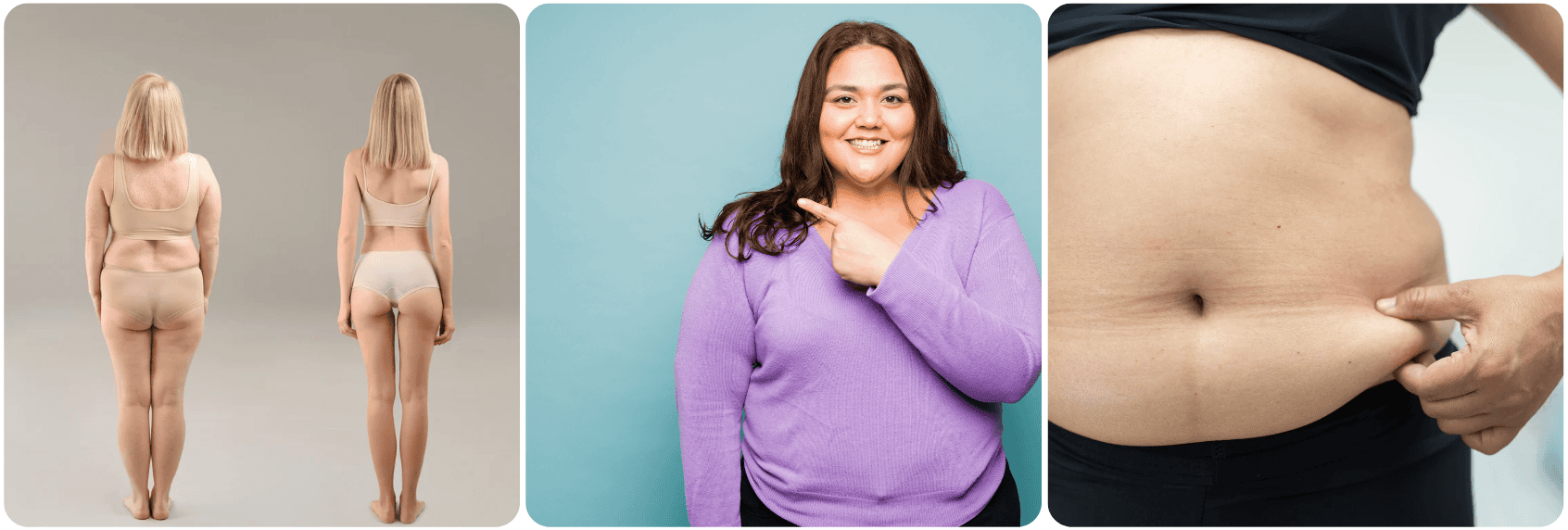
It’s important that candidates are close to their goal weight and have good skin elasticity, which helps the skin conform to the newly sculpted contours after surgery. This procedure is not recommended for those looking for a substitute for weight loss or for individuals with significant excess fat in the abdominal area.
Recovery after abdominal etching for the belly is generally manageable and quicker than many expect. Most patients can return to desk jobs or light daily activities within a few days, although more strenuous exercise should be avoided for at least two to three weeks. Compression garments are usually worn for several weeks to reduce swelling, aid in healing, and help the skin adhere to the new contours. It's normal to experience bruising, soreness, and tightness in the treated area, but these symptoms gradually improve.
Swelling may take a few months to fully subside, and the final, most defined results often appear between three to six months after the procedure. Patients who follow post-operative care instructions closely tend to see the best outcomes.
Like any surgical procedure, abdominal etching for the belly carries some risks. While complications are rare, they can include infection, fluid accumulation, asymmetry, or changes in skin sensation. The most important factor in reducing risks is choosing a skilled, experienced surgeon who specializes in body contouring.
Another thing to consider is that the procedure works best for those with realistic expectations—etching can enhance muscle definition but won’t replace a strong core built through exercise. Additionally, if a patient gains significant weight after the procedure, it can compromise the sculpted look. It's essential to maintain a stable weight to preserve long-term results.
The sculpted look achieved through abdominal etching for the belly can be long-lasting, but it requires ongoing care. Since the procedure does not prevent future weight gain, maintaining a stable body weight is crucial to preserving the results. Most patients find that seeing the more defined version of themselves post-surgery motivates them to stay consistent with healthy habits. A balanced diet, regular strength training, and cardio are all important for keeping the abdominal area toned and tight.
Staying hydrated and avoiding excessive weight fluctuations also help the skin retain its elasticity and the muscle definition to stay sharp. When combined with a healthy lifestyle, the results of abdominal etching can last for many years.
Although abdominal etching is often compared to liposuction, the two procedures serve very different purposes. Traditional liposuction focuses on removing larger amounts of fat from various areas to reshape the body, while abdominal etching is much more precise. It involves strategically removing smaller amounts of fat specifically around the abdominal muscles to highlight definition. This makes etching less about overall fat reduction and more about fine-tuning muscle contours.
For patients who are already fit and looking to enhance their appearance, abdominal etching provides results that liposuction alone cannot achieve.
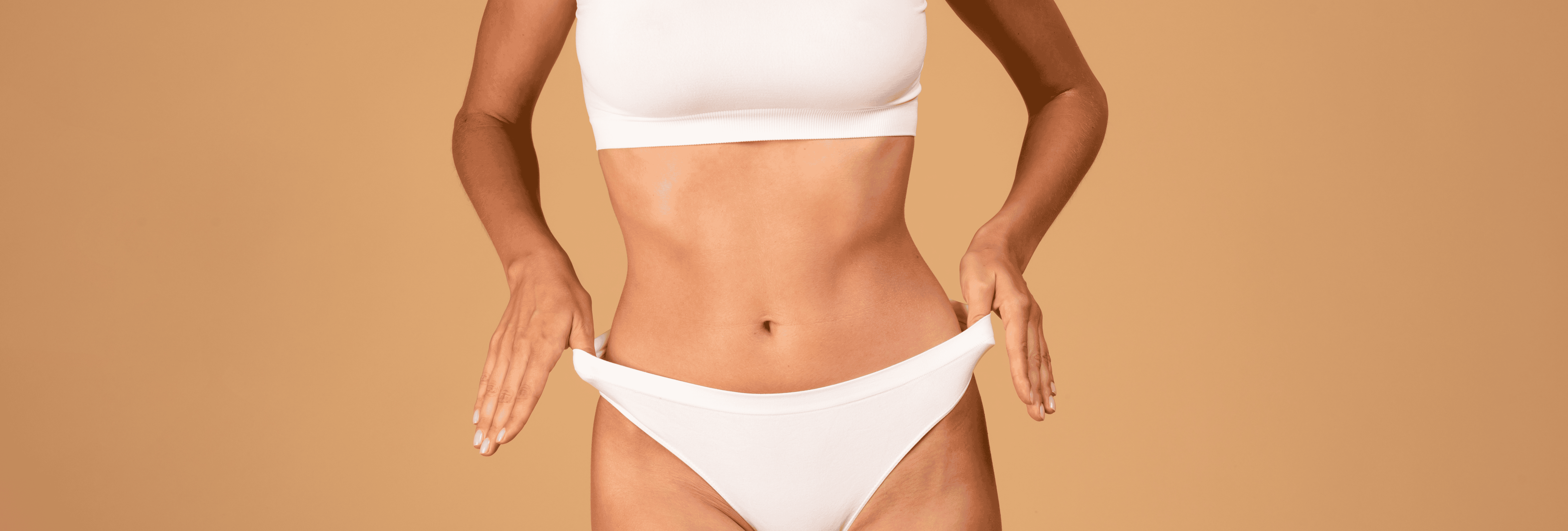
While many associate abdominal etching for the belly with men seeking a sculpted six-pack, women also benefit from this procedure. Female patients often request a more toned, athletic midsection that still looks natural and not overly muscular. The surgeon can adapt the technique to achieve softer definition lines for women, compared to the sharper, more dramatic results often requested by men.
This versatility makes abdominal etching appealing for both genders, with the final outcome tailored to each individual’s body goals. The ability to customize results makes it one of the most flexible body contouring procedures available.
Many individuals who undergo abdominal etching do so because it creates the look of someone who trains intensively, even if genetics or stubborn fat prevent their muscles from being visible. The procedure helps highlight natural muscle structures and provides a consistently toned look. Even when not flexing, patients enjoy a firmer, more athletic appearance.
The effect is particularly noticeable in social settings such as the beach or gym, where defined abs naturally stand out. This permanent enhancement can give a subtle edge to those seeking a confident, athletic body profile.
Patients often ask how quickly results appear after abdominal etching for the belly. While some definition is visible within a few weeks, the most dramatic changes come after swelling fully subsides. Typically, the timeline is as follows:
First few days: noticeable swelling and mild bruising
2–3 weeks: early signs of contour become visible
6–8 weeks: majority of swelling reduced, clear definition forming
Not all surgeons perform abdominal etching for the belly in the same way. Some use traditional liposuction tools, while others apply advanced methods such as laser-assisted or ultrasound-assisted liposuction. These newer techniques can help tighten the skin and reduce recovery times.
Additionally, the placement of incisions varies between surgeons, with many aiming to make them as discreet as possible in natural folds of the skin. This means that results may differ depending on the approach and the technology used. Choosing a surgeon with the right expertise is key to achieving natural and safe results.
The price of abdominal etching varies depending on several factors. Patients should be aware that costs can change based on:
The experience and reputation of the surgeon
The clinic’s location and facilities
Whether the procedure is combined with other treatments
The type of anesthesia used
Post-operative care and follow-up visits
While prices may differ, it is important not to base decisions on cost alone. The quality of the surgeon’s work and the safety of the procedure should always take priority.
Many fitness enthusiasts consider abdominal etching as a complement to their hard work at the gym. Despite hours of training, genetics and stubborn fat sometimes prevent abs from becoming visible. For these individuals, etching acts as the final touch that brings their training results to the surface.
The procedure does not replace workouts but rather enhances the look they have already built. Athletes and bodybuilders sometimes use it to achieve sharper lines for competitions or photo shoots, ensuring their abdominal definition looks consistently impressive.
One of the most important factors in successful abdominal etching for the belly is skin elasticity. Patients with good skin tone are more likely to see smooth, natural-looking results because their skin can contract around the new contours. Those with poor elasticity, often due to aging or significant weight loss, may not achieve the same level of definition.
In some cases, surgeons may suggest combining etching with skin-tightening procedures to improve outcomes. Understanding the role of skin elasticity helps patients set realistic expectations and plan the best treatment approach.
To get the best results from abdominal etching, following recovery guidelines is crucial. Patients are often advised to:
Wear compression garments as instructed
Stay mobile with light walking to aid circulation
Avoid strenuous exercise until cleared by the surgeon
Stay hydrated and eat a nutrient-rich diet for healing
Attend all follow-up appointments for progress checks
These steps not only speed up recovery but also help ensure the results are long-lasting and well-defined.
Although commonly associated with lean body types, abdominal etching can be adapted to different physiques. Patients with slightly higher body fat may still qualify if they are close to their ideal weight and have localized fat in the abdominal region. Surgeons can adjust the amount of fat removed and the sharpness of definition to match the patient’s frame. For some, the goal may be subtle contouring rather than dramatic six-pack lines. This flexibility makes abdominal etching an option for a wider range of people than many assume.
When performed by an experienced surgeon, the results of abdominal etching for the belly are long-lasting. Since fat cells are permanently removed, the sculpted lines will remain visible as long as the patient maintains a stable weight. However, significant weight gain can cause remaining fat cells to expand and blur the definition.
Patients who commit to regular exercise and balanced nutrition tend to enjoy their results for many years. This makes abdominal etching both a cosmetic investment and a lifestyle motivator.
Some people considering abdominal etching also explore non-surgical alternatives. Treatments like CoolSculpting or radiofrequency fat reduction can slim the abdomen, but they lack the precision to create muscle definition. Non-invasive methods may work well for general fat reduction but cannot replicate the sculpted, etched look of surgery. Patients who want visible, sharp abdominal lines typically find that only surgical etching can deliver those results. Non-surgical options are better for subtle slimming rather than dramatic contouring.
There are several misconceptions about abdominal etching that should be clarified:
It is not a weight-loss procedure but a contouring method
Results are not instant; swelling must subside before definition is visible
Both men and women can benefit from the procedure
It does not replace the need for fitness and healthy living
Scars are minimal and often well-hidden
Clearing up these myths helps patients better understand the realistic benefits and limitations of abdominal etching.
In recent years, abdominal etching for the belly has gained popularity worldwide. More people are turning to cosmetic surgery to achieve precise, athletic results that were once only possible for elite athletes or fitness models. Advances in surgical techniques have also made the procedure safer and more accessible.
In recent years, abdominal etching for the belly has gained popularity worldwide.
Social media and lifestyle trends have further fueled demand, as the look of a toned abdomen has become a symbol of health and attractiveness. With minimal downtime and highly visible results, abdominal etching continues to rise in popularity among those seeking a defined physique.
During your consultation, you will discuss your wishes, medical history, and expectations with the doctor. The doctor will examine you, take measurements if necessary, and explain which treatment suits you best, including risks and recovery. You will have the opportunity to ask questions and then receive a clear treatment proposal.
Make sure you have all relevant medical information ready, such as previous treatments, allergies, or medical conditions. This allows the doctor to give you better advice.
Payment is made securely via SurgeryBooking. You pay the amount in advance to SurgeryBooking. We hold the funds and transfer them to the clinic after your treatment. Cancellation or change conditions vary per clinic and are clearly communicated in advance.
During the consultation (online or at the clinic), the doctor will assess this based on your health, expectations, and physical characteristics. You will discuss what you want, what is possible, and what the limitations are. Sometimes there are alternatives if the chosen treatment is not ideal.
Through SurgeryBooking.com, you can quickly and easily book a consultation or procedure with doctors and clinics worldwide. SurgeryBooking.com provides an overview of doctors and clinics, allowing you to make an informed and transparent choice when booking a consultation or procedure.
You can easily book through the profile of the desired clinic or doctor. Select the desired treatment, enter your details, and choose an available date and time. If there are any costs involved, you will complete the payment first. Afterwards, you will receive a confirmation email with all the details.
Yes, during the booking process, you can indicate whether you prefer an online consultation or an in-person consultation at the clinic.
With SurgeryBooking.com, you gain access to a global network of doctors and clinics. Through SurgeryBooking.com, you can easily book a consultation or a cosmetic procedure directly. Clinic profiles provide information about available cosmetic procedures, reviews, photos of the clinic, and other relevant details. This enables you to compare costs and make an informed decision when booking a consultation or procedure.