
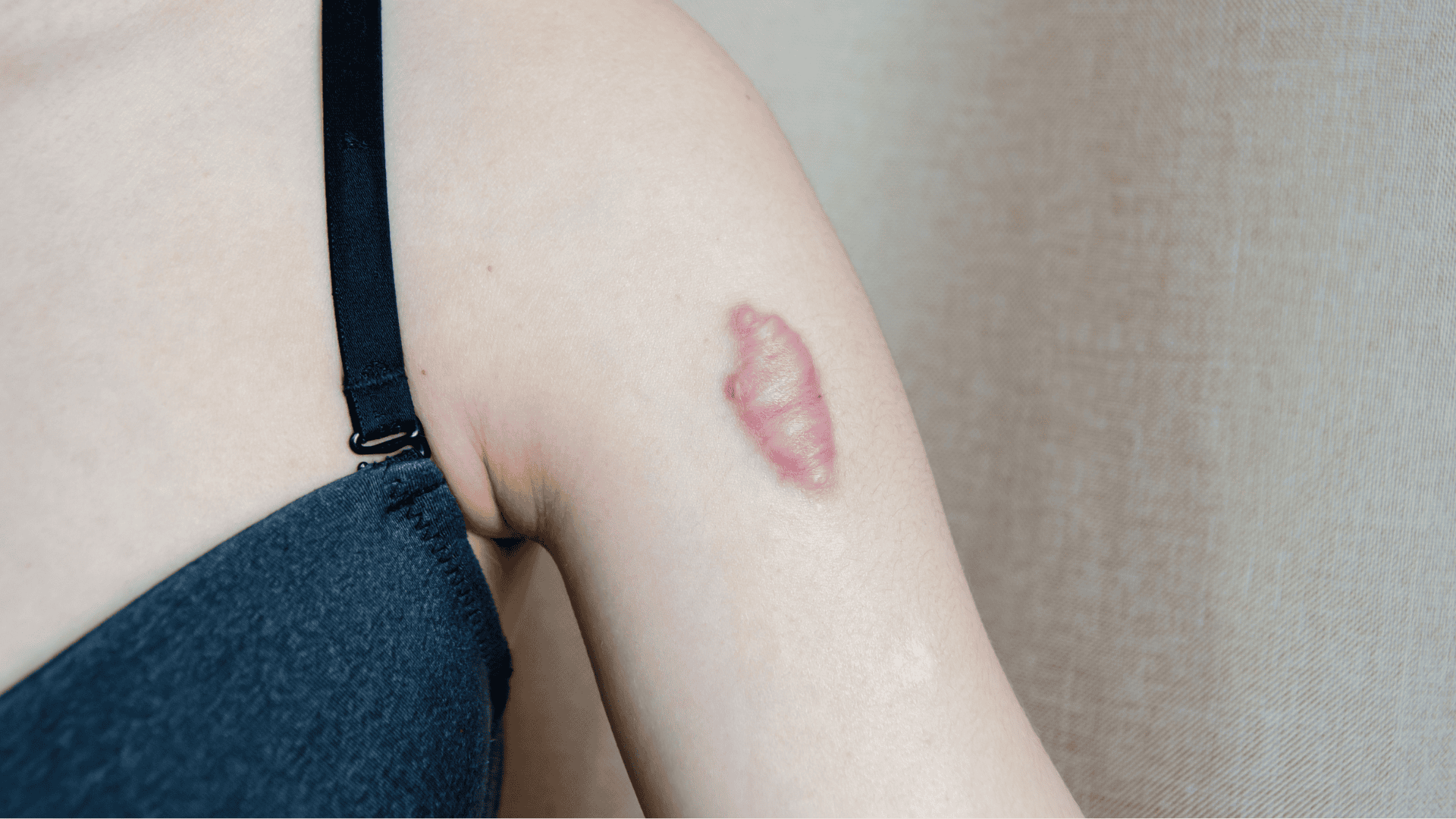
Keloid is a raised, overgrown scar that can develop after an injury, surgery, or even from minor skin irritation. This scar extends beyond the original wound and can be itchy, painful, and cosmetically concerning for many individuals. Fortunately, there are various treatment options available to manage keloid and minimize its appearance. In this article, we will explore the different treatment modalities for keloid, including medical and surgical interventions, as well as non-invasive therapies.
Keloid occurs when the body produces an excess of collagen during the healing process, resulting in a raised scar that extends beyond the boundaries of the original injury. While keloid can develop anywhere on the body, it is most commonly found on the chest, shoulders, earlobes, and cheeks. Certain individuals, such as those with darker skin tones, are more prone to developing keloid.
Corticosteroid injections: Corticosteroid injections are often used as a first-line treatment for keloid. These injections help to reduce inflammation and flatten the scar tissue. Multiple injections may be required over several weeks to months to achieve optimal results.
Surgical excision: Surgical excision involves removing the keloid scar surgically. However, there is a risk of the keloid returning or becoming even larger after surgery, so this approach is often combined with other treatments, such as corticosteroid injections or radiation therapy.
Cryotherapy: Cryotherapy involves freezing the keloid scar with liquid nitrogen to destroy the excess scar tissue. This can help to flatten the keloid and reduce its size, although multiple treatment sessions may be needed.
Laser therapy: Laser therapy uses targeted beams of light to break down the excess collagen in the keloid scar. This can help to reduce redness, flatten the scar, and improve its appearance. Several sessions may be required to achieve the desired results.
Pressure therapy: Pressure therapy involves applying pressure to the keloid scar using special dressings or silicone gel sheets. This helps to flatten the scar and reduce its size over time. Pressure therapy is often used in combination with other treatments for optimal results.
Radiation therapy: Radiation therapy is sometimes used after surgical excision to prevent the keloid from returning. It involves targeted radiation to the site of the scar to inhibit the growth of scar tissue.
Keloid can be a source of physical discomfort and emotional distress for many individuals. However, with the advancements in keloid treatment options, there are now effective strategies available to manage and reduce the appearance of keloid scars. If you are struggling with keloid, consult with a dermatologist or plastic surgeon to discuss the best treatment approach for your specific needs and concerns. With proper care and treatment, you can achieve smoother, healthier-looking skin and regain your confidence.
General questions
Make sure you have all relevant medical information ready, such as previous treatments, allergies, or medical conditions. This allows the doctor to give you better advice.
During your consultation, you will discuss your wishes, medical history, and expectations with the doctor. The doctor will examine you, take measurements if necessary, and explain which treatment suits you best, including risks and recovery. You will have the opportunity to ask questions and then receive a clear treatment proposal.
Through SurgeryBooking.com, you can quickly and easily book a consultation or procedure with doctors and clinics worldwide. SurgeryBooking.com provides an overview of doctors and clinics, allowing you to make an informed and transparent choice when booking a consultation or procedure.

You can easily book through the profile of the desired clinic or doctor. Select the desired treatment, enter your details, and choose an available date and time. If there are any costs involved, you will complete the payment first. Afterwards, you will receive a confirmation email with all the details.
Yes, during the booking process, you can indicate whether you prefer an online consultation or an in-person consultation at the clinic.
Payment is made securely via SurgeryBooking. You pay the amount in advance to SurgeryBooking. We hold the funds and transfer them to the clinic after your treatment. Cancellation or change conditions vary per clinic and are clearly communicated in advance.
During the consultation (online or at the clinic), the doctor will assess this based on your health, expectations, and physical characteristics. You will discuss what you want, what is possible, and what the limitations are. Sometimes there are alternatives if the chosen treatment is not ideal.
With SurgeryBooking.com, you gain access to a global network of doctors and clinics. Through SurgeryBooking.com, you can easily book a consultation or a cosmetic procedure directly. Clinic profiles provide information about available cosmetic procedures, reviews, photos of the clinic, and other relevant details. This enables you to compare costs and make an informed decision when booking a consultation or procedure.