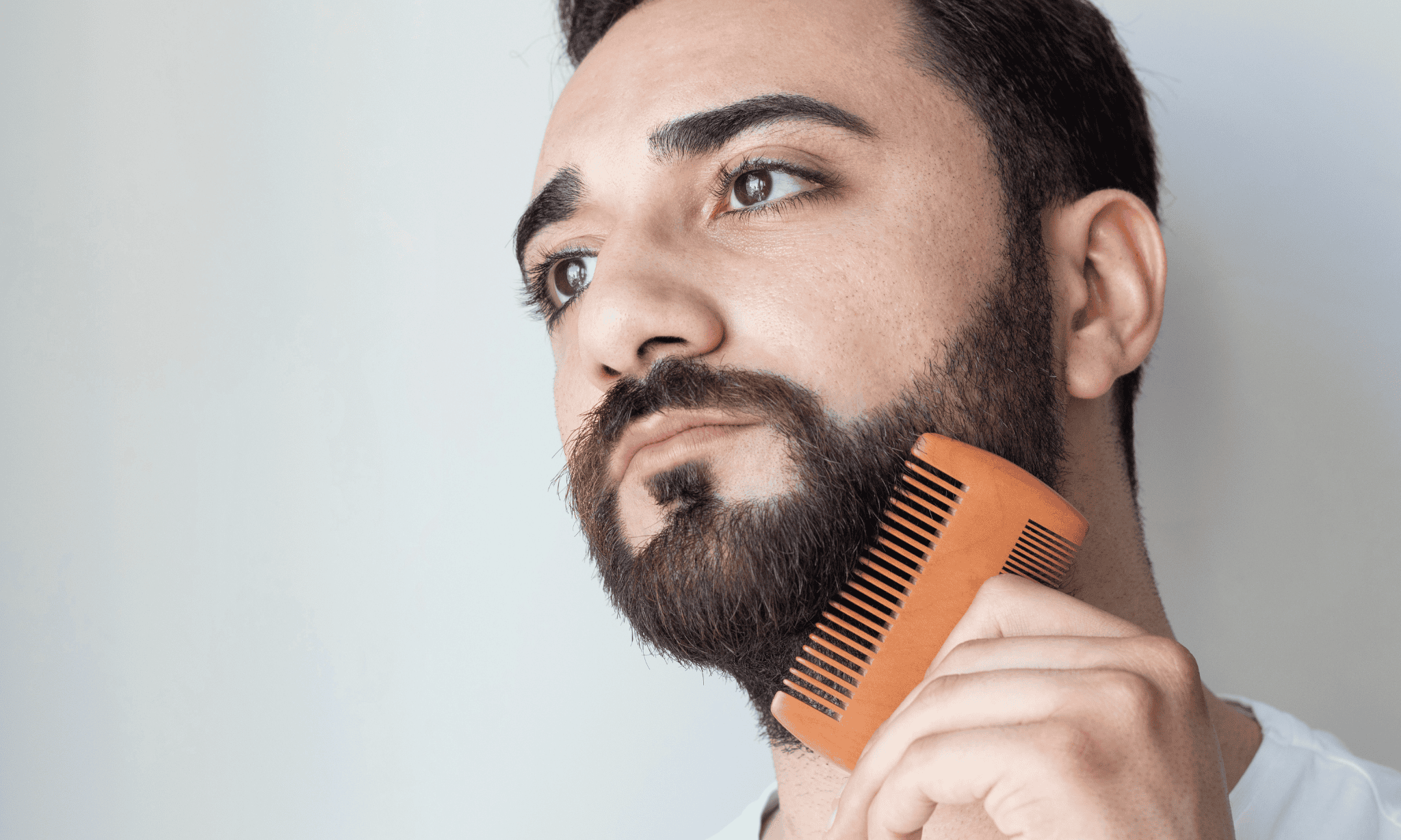
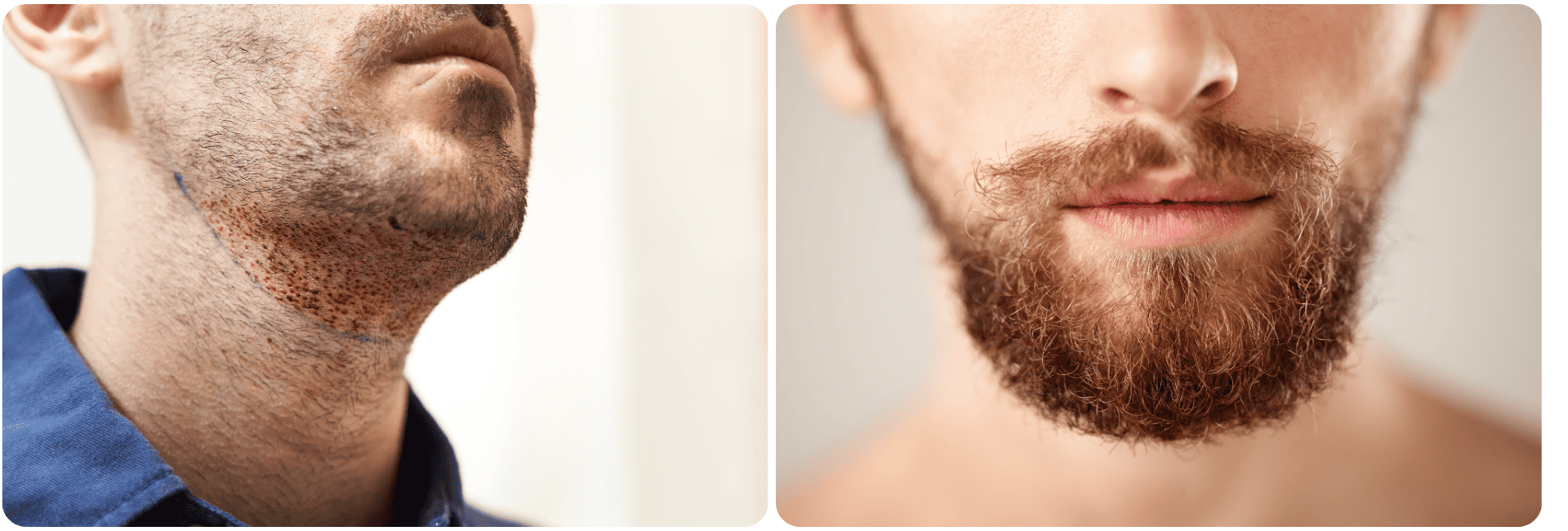
In recent years, beard transplants have become increasingly popular among men seeking to enhance their facial hair. One country that has risen to prominence as a top destination for beard transplants is Turkey. Known for its advanced medical facilities, skilled surgeons, and affordable prices, Turkey has attracted thousands of men from around the world looking to achieve their dream beards. In this comprehensive guide, we’ll delve into everything you need to know about beard transplants in Turkey, from the procedure itself to why Turkey stands out as a leading destination for this treatment.
A beard transplant is a cosmetic procedure designed to fill in gaps, thicken facial hair, or create a fuller beard. It involves the transfer of hair follicles from one part of the body—typically the back of the head, where hair is denser—to areas of the face where hair growth is sparse or patchy. The transplanted hair follicles will continue to grow naturally, offering a permanent solution to men who struggle with facial hair growth due to genetics, scarring, or hormonal issues.
There are two main techniques used in beard transplant procedures:
Follicular Unit Extraction (FUE): This is the most commonly used method, where individual hair follicles are extracted from the donor area (usually the back of the scalp) and transplanted to the beard area.
Follicular Unit Transplantation (FUT): This method involves removing a small strip of tissue from the donor area, from which hair follicles are harvested and transplanted to the beard region.
Both methods are effective, though FUE is generally preferred due to its minimally invasive nature and quicker recovery time.
Turkey has earned a reputation as a global hub for hair restoration procedures, including beard transplants. Here are several reasons why Turkey is a top destination for men considering this procedure:
1. Highly Qualified Surgeons
Turkey boasts some of the most experienced and highly trained hair transplant surgeons in the world. Clinics in major cities such as Istanbul, Ankara, and Izmir are equipped with state-of-the-art facilities and employ specialists who have performed thousands of hair and beard transplant procedures. Many Turkish surgeons have received training and certification from international organizations, ensuring they are well-versed in the latest techniques and advancements in the field.
2. Advanced Technology and Facilities
Clinics in Turkey are known for their cutting-edge technology and modern medical facilities. Whether it's advanced FUE extraction tools or sophisticated hair graft implantation techniques, Turkish clinics utilize the latest equipment to ensure a high standard of care. The use of advanced tools results in more precise hair follicle placement, leading to natural-looking and long-lasting results.
3. Affordability
One of the key reasons people flock to Turkey for beard transplants is the affordability of the procedure. Compared to countries like the US, UK, or Europe, where beard transplants can cost upwards of $10,000, the average price of a beard transplant in Turkey ranges from $1,500 to $3,500, depending on the clinic and the extent of the treatment. This cost advantage, combined with high-quality results, makes Turkey an attractive option for men seeking a beard transplant without breaking the bank.
4. Comprehensive Packages
Many Turkish clinics offer all-inclusive packages that cater to international patients. These packages typically include not only the transplant procedure but also airport transfers, luxury hotel accommodation, aftercare products, and post-surgery consultations. This level of convenience makes it easier for patients traveling from abroad to undergo treatment without worrying about the logistics of their trip.
5. High Success Rates
Beard transplants in Turkey have a high success rate, thanks to the expertise of surgeons and the advanced methods used. Patients can expect a natural-looking beard with long-lasting results, and many clinics offer guarantees to ensure patient satisfaction. Post-operative care is also a top priority, with clinics providing detailed aftercare instructions to help patients achieve the best possible outcome.
Step 1: Consultation
The process begins with a consultation, either in person or online if you're an international patient. During this consultation, the surgeon will assess your facial hair, discuss your goals, and determine how many hair grafts will be required for the procedure. They will also evaluate your donor area to ensure there is sufficient hair for the transplant.
Step 2: Preparation
On the day of the procedure, the patient’s donor area (typically the back of the head) is shaved, and local anesthesia is applied to numb both the donor and recipient areas. This ensures that the patient remains comfortable throughout the surgery.
Step 3: Extraction of Hair Follicles
In an FUE beard transplant, individual hair follicles are extracted from the donor area using a specialized tool. The surgeon carefully selects the healthiest follicles to ensure optimal results. This step is performed with precision to minimize scarring and maintain the integrity of the donor area.
Step 4: Implantation
Once the necessary hair follicles have been harvested, the surgeon meticulously implants them into the beard area. The direction and angle of the hair are crucial to achieving a natural look, so the surgeon takes great care in positioning each graft to ensure it aligns with the patient’s desired beard pattern.
Step 5: Recovery
After the procedure, patients are given aftercare instructions and products to aid in the healing process. It's normal to experience some redness, swelling, or minor discomfort in the treated areas, but these symptoms usually subside within a few days. The transplanted hair may fall out within the first few weeks—this is a normal part of the process called “shock loss.” New hair growth typically begins after 3 to 4 months, with full results visible within 9 to 12 months.
Turkey has become a leading destination for beard transplants due to several factors. One of the main reasons is the high level of expertise among Turkish surgeons, who are well-trained in advanced techniques such as Follicular Unit Extraction (FUE). Many of these professionals have years of experience performing beard transplants with great success. Additionally, the affordability of procedures in Turkey draws in thousands of international patients every year. In comparison to the U.S. or U.K., where a beard transplant can be extremely expensive, Turkish clinics offer top-quality procedures at a fraction of the cost.
Clinics in Turkey also boast state-of-the-art facilities, providing patients with cutting-edge medical technology and a comfortable experience. Another reason Turkey stands out is the comprehensive, all-inclusive packages many clinics offer, which typically include the procedure, accommodation, transportation, and aftercare, making it an appealing option for foreign patients. Lastly, Turkey’s popularity as a tourist destination allows patients to combine their treatment with a vacation, adding an extra layer of appeal to undergoing a beard transplant there.
The recovery process after a beard transplant is relatively quick, especially with the FUE method, which leaves minimal scarring. Here’s what to expect post-surgery:
First Few Days: You may experience some swelling and redness around the beard area, but this is normal and subsides within a few days.
Shock Loss: After a couple of weeks, the transplanted hair will likely fall out. This can be alarming but is a natural part of the process, as new hair will grow in its place.
New Hair Growth: Around 3 to 4 months after the procedure, you’ll begin to see new hair growth. The beard will continue to thicken over the following months, with full results typically visible after a year.
The recovery process following a beard transplant in Turkey is generally smooth and quick. In the first few days after the procedure, patients may experience some mild discomfort, including redness and swelling in the treated areas, but these symptoms usually subside within a few days. One common part of the recovery process is "shock loss," where the transplanted hairs fall out within the first few weeks. While this can be alarming, it is completely normal, and new hair growth will begin within 3 to 4 months. Full results are typically seen after about 9 to 12 months, as the new beard hair thickens and matures.
Clinics provide a detailed aftercare plan that patients must follow to ensure the best possible outcome, including using special shampoos and avoiding certain activities during the healing period. Thanks to the minimally invasive nature of the FUE technique, scarring is minimal, and most patients can return to their daily routines within a week.
Many men who have undergone beard transplants in Turkey speak highly of their experiences. Reviews often highlight the professionalism of the clinics, the courtesy of the staff, and the remarkable results. Some common themes in patient testimonials include:
Natural-Looking Results: Patients are often amazed by how natural their beards look after the procedure. The precise placement of hair follicles and attention to detail by Turkish surgeons result in realistic and aesthetically pleasing beards.
Smooth Process: International patients appreciate the seamless experience, from airport pickups to accommodation and follow-up care. The comprehensive packages offered by many clinics make the entire process stress-free.
Affordability: Many patients report that they received the same or better quality of care in Turkey compared to their home countries but at a fraction of the cost.
If you're looking for a cost-effective, high-quality beard transplant, Turkey is undoubtedly one of the best destinations in the world. With experienced surgeons, state-of-the-art facilities, and affordable prices, it’s no wonder that Turkey has become a global leader in hair and beard restoration procedures.
However, it’s essential to do your research before selecting a clinic. Look for reviews, consult with the clinic's specialists, and ensure they have the qualifications and experience needed to achieve your desired results. With the right clinic and surgeon, a beard transplant in Turkey can help you attain the full, thick beard you've always wanted.
The beard transplant process in Turkey typically starts with an initial consultation, either online or in person, where the surgeon evaluates the patient’s facial hair and donor area to determine how many grafts are needed. During the procedure, hair follicles are extracted from the donor area, which is usually the back of the scalp, using the FUE technique. This method is preferred because it leaves minimal scarring and ensures a natural look. After the follicles are extracted, the surgeon carefully implants them into the beard area, paying close attention to the direction and angle of each follicle to create a realistic and aesthetically pleasing beard. Local anesthesia is applied to both the donor and recipient areas to ensure the patient remains comfortable throughout the procedure. Post-surgery, patients are provided with a detailed aftercare routine, including special products to aid in healing and optimize the results of the transplant.
Patients who undergo a beard transplant in Turkey can expect natural-looking and permanent results. The transplanted hair will grow just like natural beard hair, allowing for regular grooming, trimming, or styling as desired. One of the advantages of undergoing the procedure in Turkey is the high level of precision with which surgeons place the grafts. This attention to detail ensures that the new beard matches the patient's natural hair growth patterns, providing a seamless and realistic appearance. It typically takes a few months for new hair growth to become visible, with the full results becoming apparent after 9 to 12 months.
As the transplanted follicles are taken from the patient’s own scalp, they will continue to grow naturally and permanently. Additionally, the results are tailored to meet the patient's specific preferences, whether they want a thick, full beard or simply to fill in patchy areas.
General questions
During your consultation, you will discuss your wishes, medical history, and expectations with the doctor. The doctor will examine you, take measurements if necessary, and explain which treatment suits you best, including risks and recovery. You will have the opportunity to ask questions and then receive a clear treatment proposal.
Make sure you have all relevant medical information ready, such as previous treatments, allergies, or medical conditions. This allows the doctor to give you better advice.
Payment is made securely via SurgeryBooking. You pay the amount in advance to SurgeryBooking. We hold the funds and transfer them to the clinic after your treatment. Cancellation or change conditions vary per clinic and are clearly communicated in advance.
During the consultation (online or at the clinic), the doctor will assess this based on your health, expectations, and physical characteristics. You will discuss what you want, what is possible, and what the limitations are. Sometimes there are alternatives if the chosen treatment is not ideal.
Through SurgeryBooking.com, you can quickly and easily book a consultation or procedure with doctors and clinics worldwide. SurgeryBooking.com provides an overview of doctors and clinics, allowing you to make an informed and transparent choice when booking a consultation or procedure.
You can easily book through the profile of the desired clinic or doctor. Select the desired treatment, enter your details, and choose an available date and time. If there are any costs involved, you will complete the payment first. Afterwards, you will receive a confirmation email with all the details.
Yes, during the booking process, you can indicate whether you prefer an online consultation or an in-person consultation at the clinic.
With SurgeryBooking.com, you gain access to a global network of doctors and clinics. Through SurgeryBooking.com, you can easily book a consultation or a cosmetic procedure directly. Clinic profiles provide information about available cosmetic procedures, reviews, photos of the clinic, and other relevant details. This enables you to compare costs and make an informed decision when booking a consultation or procedure.